Petals
in Ink
-
This thesis project translates eight selected solar terms from the 24 traditional Chinese calendar into a series of fine-line tattoo designs, each centered on a representative flower and arranged as a structured seasonal cycle from spring to winter. The work explores female beauty, growth, and transformation, reframing traditional seasonal imagery as a visual language for women.
Each flower embodies a distinct feminine quality. Together, they suggest that women cannot be reduced to a single image or fixed identity. The changing seasons serve as a metaphor for growth, echoing the shared rhythms of nature and life.
-
Although this project takes the form of tattoo design, its core is about the freedom to choose. A tattoo may hold deep personal meaning, follow a trend, express identity, or simply exist because it is pretty. What matters most is the autonomy behind the decision.
-
In many Asian cultural contexts, women are often expected to be obedient and restrained. This work imagines a different possibility — not rebellion for its own sake, but the ability to decide for oneself. In this sense, a tattoo becomes a quiet yet firm assertion of self, representing a woman’s right to determine what happens to her own body without needing explanation or approval.
Petals in Ink
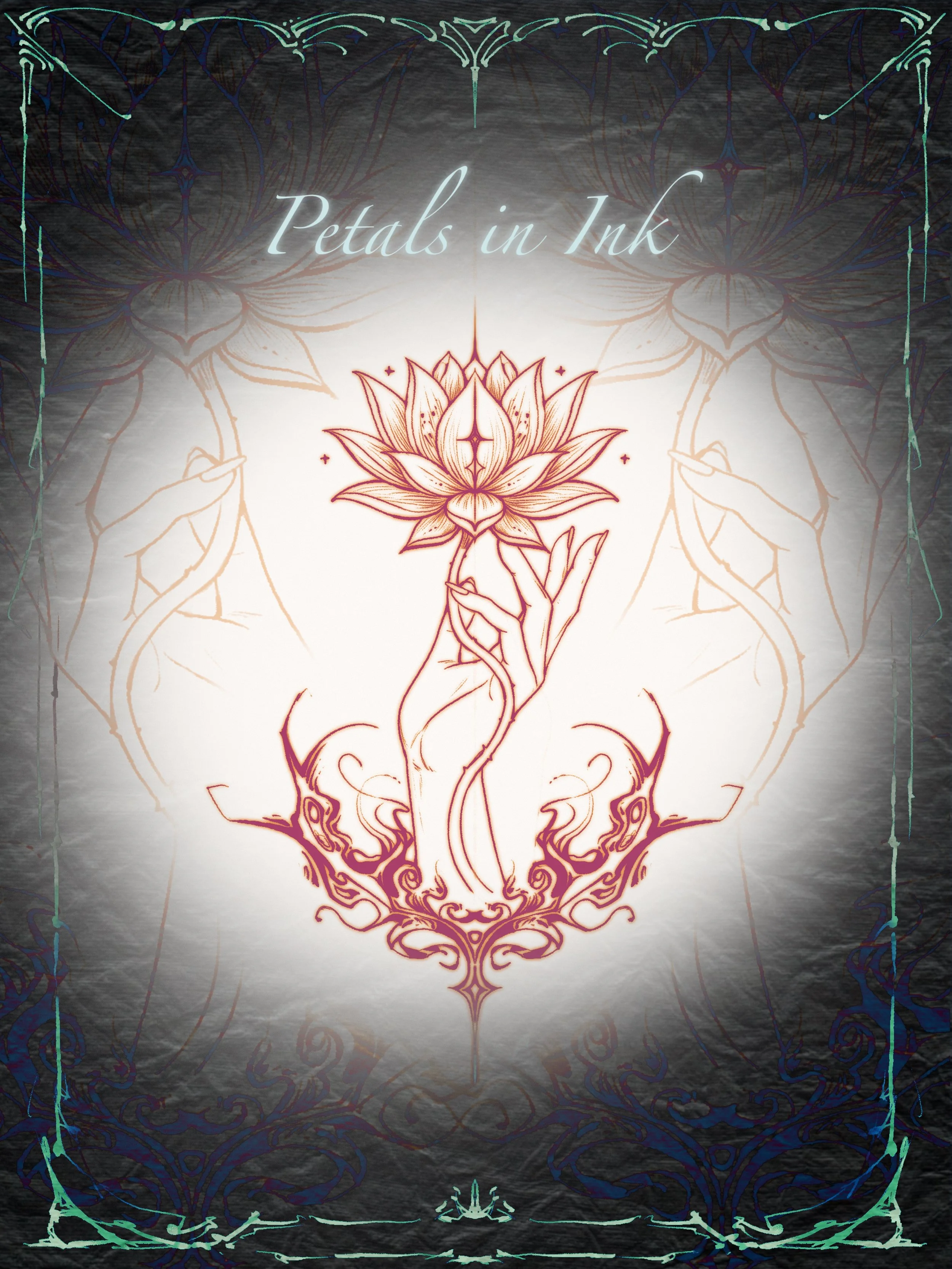
An ancient Chinese poem praises the lotus for emerging from mud yet remaining unstained. This piece reflects the ability to move through adversity while remaining true to oneself.
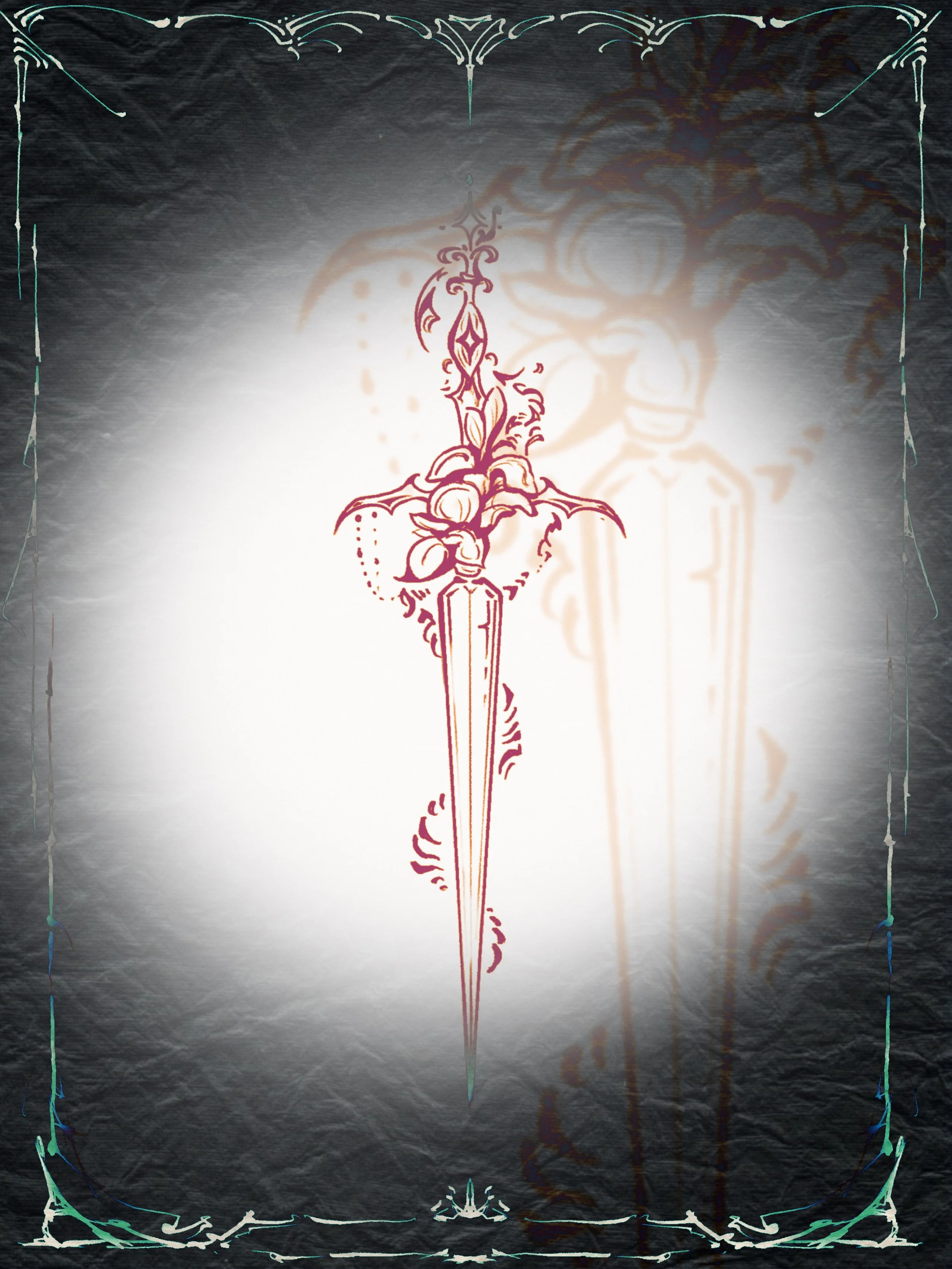
In Chinese poetry, the iris is compared to a blade. Its vertical form emphasizes that femininity can hold sharpness and strength, not only softness.
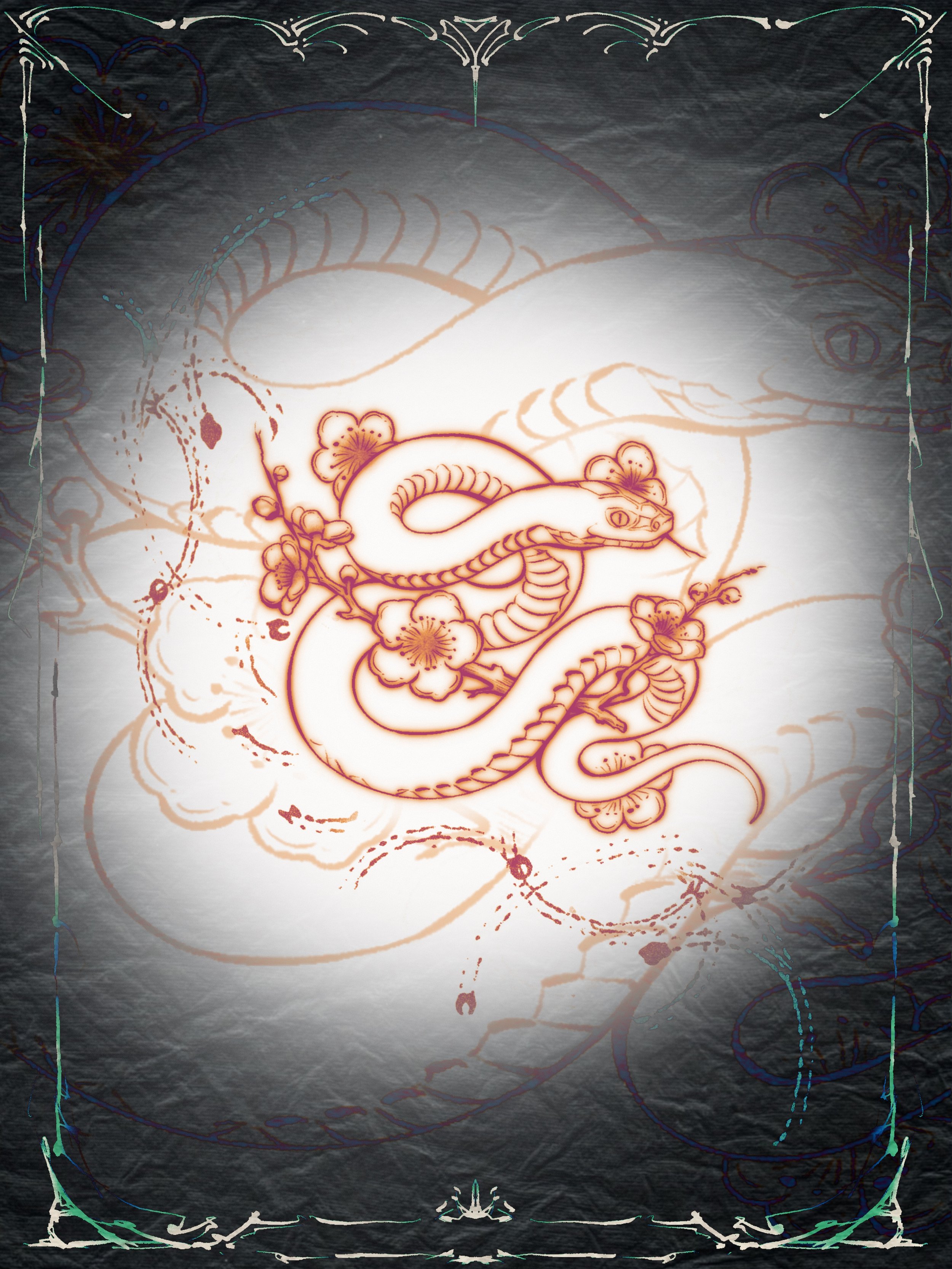
In this piece, the snake is no longer a symbol to stigmatize women. Instead, it appears with the plum blossom, representing creation and endurance. In Chinese mythology, the creator of humanity is a goddess with body of a snake.
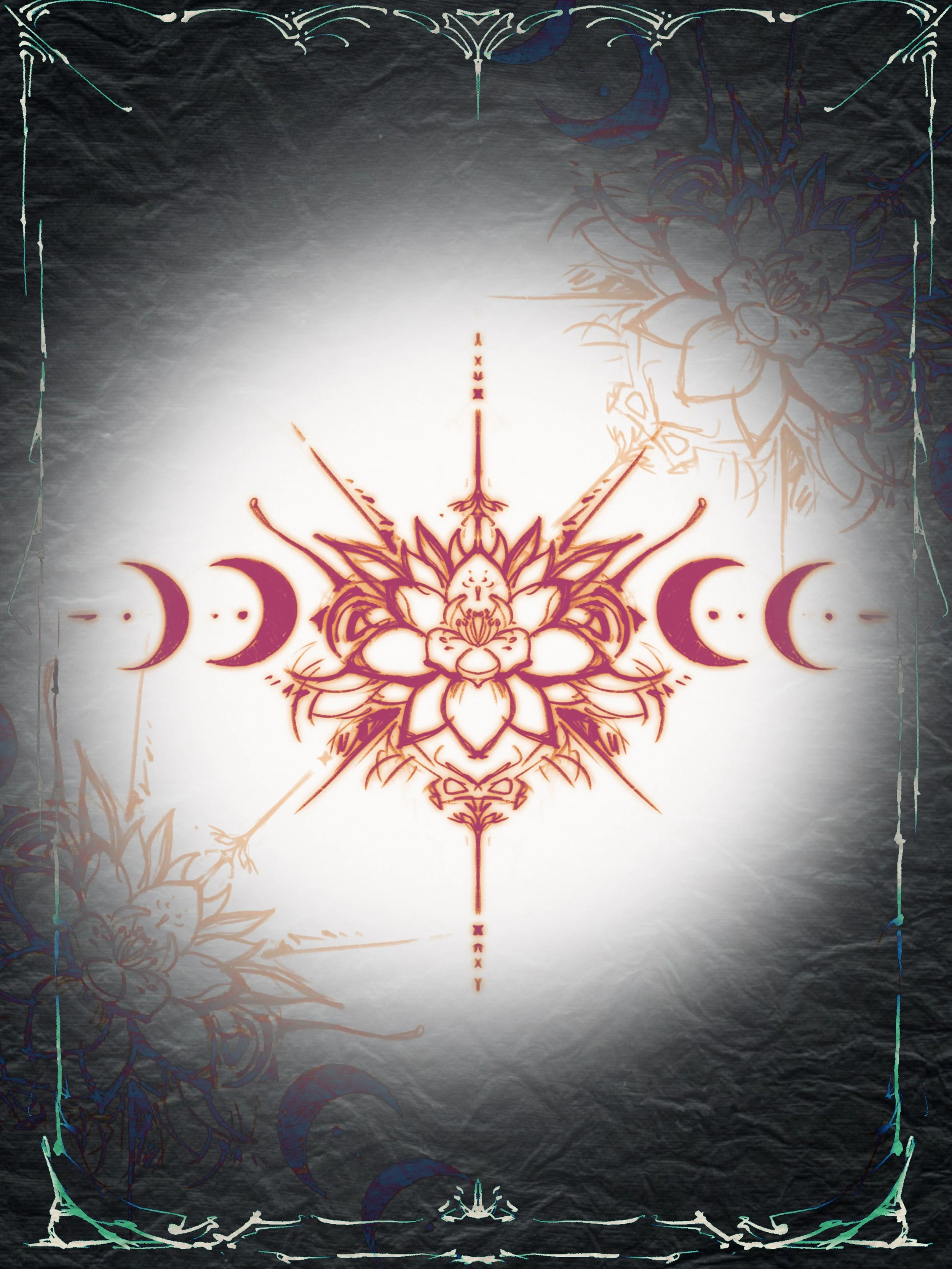
The night-blooming flower is paired with the phases of the moon. It reflects feminine cycles and the tidal rhythm of the body.
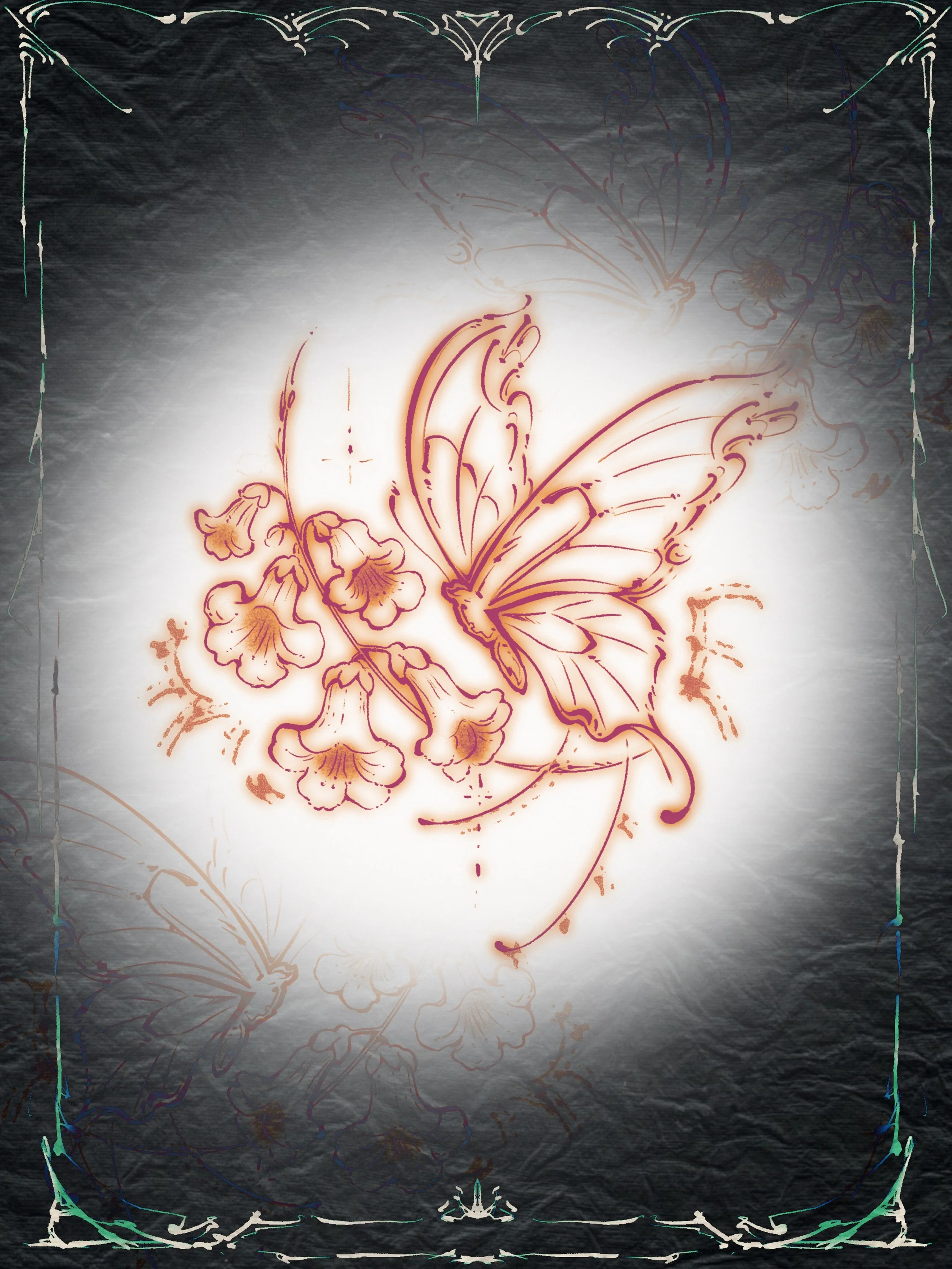
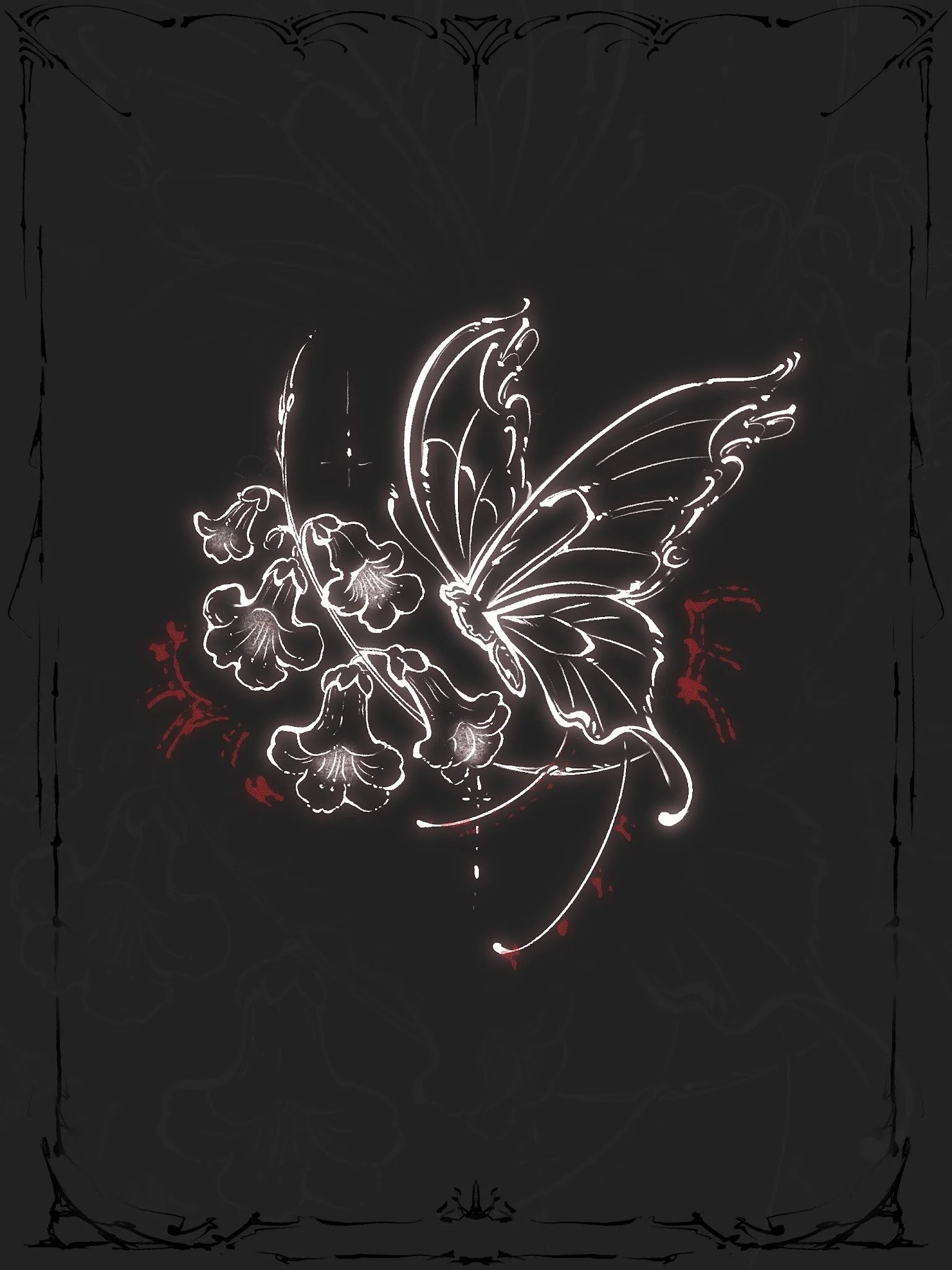
Paulownia has long been planted to restore damaged land. Paired with the butterfly, it suggests transformation and renewal.
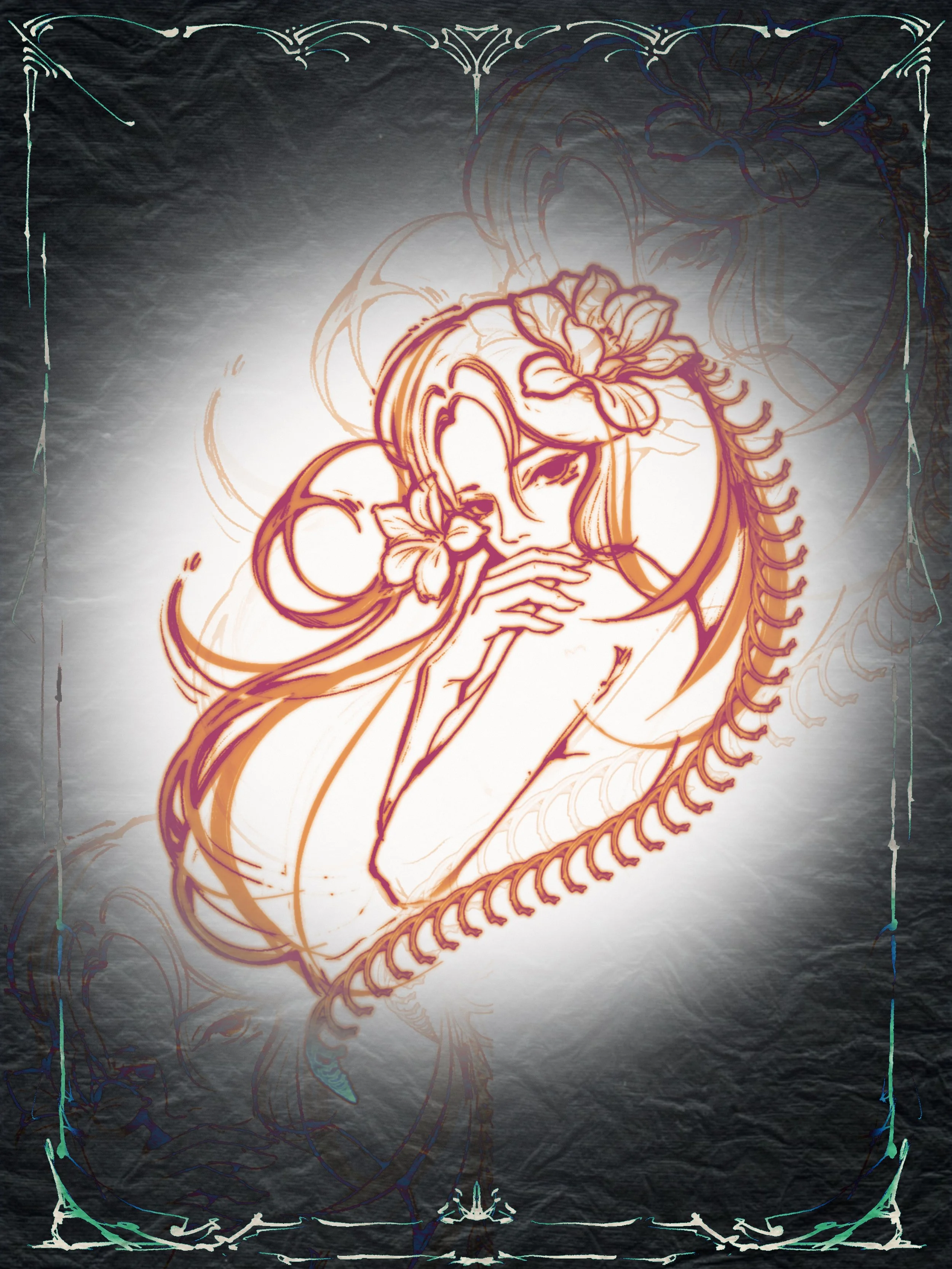
The magnolia represents quiet elegance and early emergence. It reflects a femininity that does not need to demand attention in order to exist.